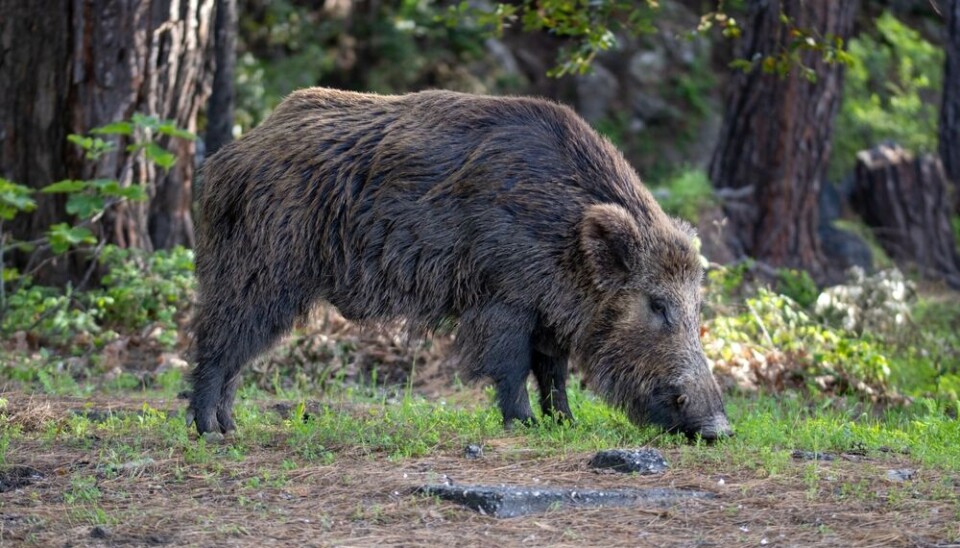
A surge in encounters with wild boar has led to calls for caution among not just hunters but also hikers, residents and motorists across France.
Being charged by the animals can lead to broken bones and deep wounds and, in some cases, can even be fatal.
Boars rarely charge unprompted, usually only doing so when around their young or if injured.
In November, a hunter in the Var, aged around 60, was found dead after a hunt in which a boar was injured. It is thought he went in search of it and died when it charged him.
Boar are present not just in the wilderness but also around towns and villages – and even some larger towns and cities – as well as near many rural roads across all areas of France.
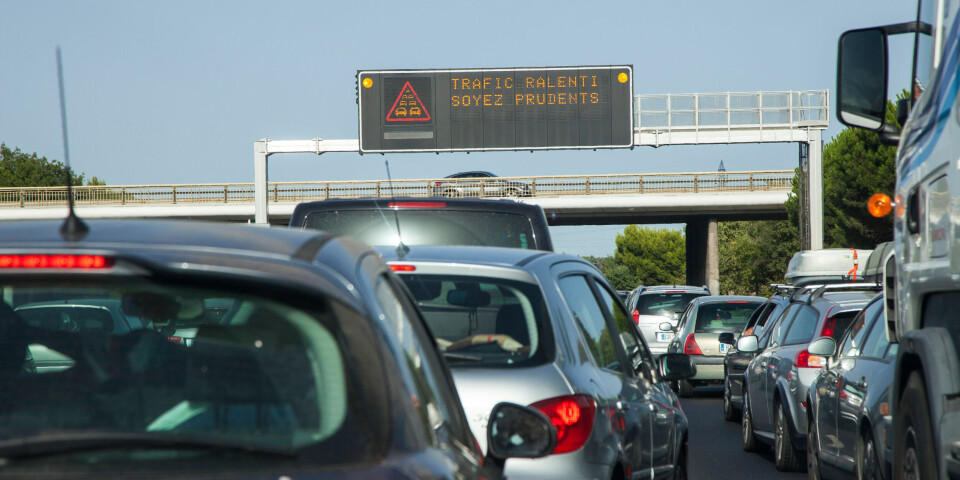
Local media often cover stories of cars hitting wild boar on roads, particularly in the morning and evening when visibility is lower making it more difficult to see them - boars are nocturnal so they often travel in the dawn and dusk hours.
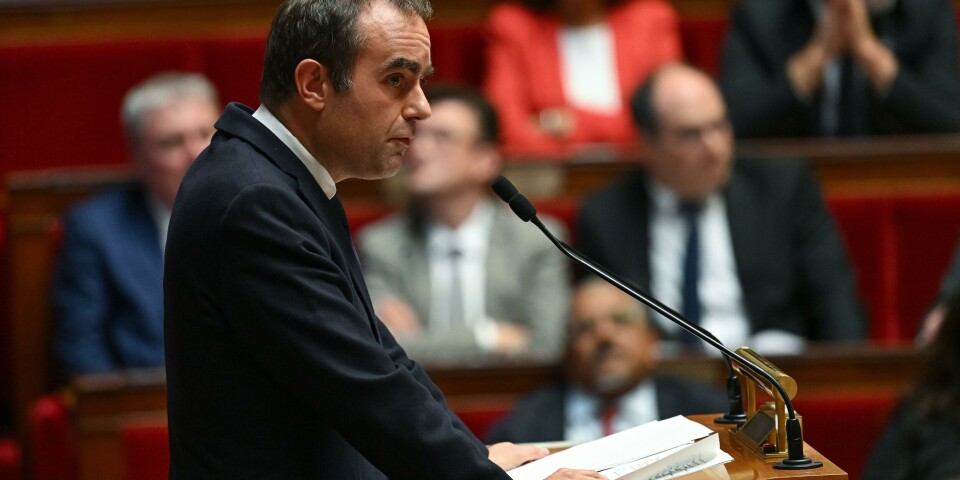
“Accidents remain rare but they their frequency is increasing,” said member of the Aveyron Fédération départementale des chasseurs (hunting federation) Jean-Pierre Authier to media outlet La Dépêche.
“Wild boar are unpredictable animals, especially when they feel cornered or are protecting their young,” he added.
‘Wild proliferation’ of boar populations
Wild boar numbers have significantly increased in France, and the animals are colonising new territories every year.
There are a number of reasons for the increase in numbers, including milder winters which aid their survival.
“The abandonment of agricultural land also plays a major role, with the proliferation of fallow land that provides shelter and food for the boars, which no longer need to move around,” said Mr Authier.
“Also urbanisation, which reduces hunting areas and creates refuges,” he added.
Hunters increase boar killcount
In the 2024 - 2025 hunting period, 881,372 wild boars were killed according to statistics from the Office français de la biodiversité (OFB), 2.1% higher than the year before and almost double that of 20 years ago.
Hunting accidents involving wild boar are on the decrease although hunting deaths have increased overall.
The hunting of wild boar is strictly controlled in France and each hunter has to buy a “bracelet” from the departmental hunting office for each boar shot
The bracelets, which have to be attached to the dead animal in case of controls by OFB officers, cost between €10 and €20 each, depending on the department.
When approached by The Connexion officials did not give a reason for the increase in boar killed during the previous hunting season, but hunters point to the record amounts paid in compensation to farmers for damage the animals cause.
Compensation has reached an average of €90 million a year over the last four years, they said.
Damage caused by boar usually takes the form of mud and soil being “ploughed” up as they search for worms and other food in the soil.
They are also notorious for going into maize fields and eating the plants.
Despite the increase in killings however, it is not so easy to find boar meat or boar saucisson.
The OFB and the ministry of health now requires laboratory tests, costing around €15 (plus associated paperwork), before a boar can be sold for meat, to make sure it is not affected by Trichinellosis.
This is a parasitic worm which can be passed on to humans if infected boar meat is not cooked through till it is grey in the middle with the meat reaching 71C.
Symptoms usually occur some 48 hours after eating contaminated meat and include diarrhoea, fever, muscular pain, a swollen face, and mood changes.
Hunters have long argued that the number of cases caused by eating wild boar is very small, with more people catching the disease from pork or horse meat they have bought in butchers.
Despite requests in 2024 from hunters in Dordogne – the department with the third-highest number of wild boar killed – for hunting restrictions to be lifted, these have remained in place.
Residents and visitors should be aware of risks
People should be aware of the risks as although “encounters with wild boar remain random… [they] could happen anywhere,” Mr Authier said.
If you encounter a boar you should keep your distance and avoid agitating it, particularly if it is a female with young nearby.
Do not turn your back to the animal, and keep it in your field of vision as you back away slowly, or let it pass without disturbing it.
If it does charge, look for higher ground (up on a rock or in a tree) or hide behind a rock and let it pass you. Do not try to engage with the animals, which regularly weigh 100kg or more.
More can be seen in our article here.
Drivers should be constantly aware of conditions on the road, and look for signs announcing the presence of boar. During dusk and dawn hours they should be careful, as reduced light can lead to accidents.
They should use headlights to increase vision, even if it is not fully dark.